
¿Tiene sentido calificar lo que experimentaban los primeros visitantes de la cueva de Chauvet como “una historia”? Tal vez la respuesta a esa problemática pregunta sea la misma si sustituimos ese conjunto multimedial paleolítico (los bisontes y sus reverberaciones acústicas, las sombras producidas por la parpadeante luz de las antorchas y los ecos que modulaban el canto de nuestros ancestros…) por cualquier instalación audiovisual inmersiva de los últimos años.
Ciertamente, no tiene mucho sentido buscar una continuidad lógica (“narrativa” es la otra palabra que estamos tentados de emplear aquí) entre las diferentes estancias —o “ambientes”— de una cueva como la de Chauvet. También suele afirmarse que las obras de arte inmersivas se caracterizan por rechazar no ya la narratividad, sino cualquier afán representativo o documental. Así, en un magnífico artículo sobre cine experimental de Peter Gidal citado por Blanca Rego en un texto reciente, se afirmaba que
Una película de vanguardia que se defina por el desarrollo de un materialismo cada vez mayor, así como de una función materialista, no representa ni documenta nada. La película produce ciertas relaciones entre segmentos, entre aquello a lo que se dirige la cámara y la manera en que la imagen es presentada.
Estas palabras, publicadas en 1976, acusan un tono acendradamente estructuralista, muy propio de la época. Pero quizá hoy puede resultarnos más productivo pensar que al enfrentarnos con un trabajo de cine materialista, o con la Dreamachine, o con cualquiera de las “escuchas íntimas” glosadas por Juan-Gil López, no sólo se está activando nuestro sistema perceptivo, sino que también se nos está contando una historia.
“Lo que nos ocupa es la creación de obras que […] hacen del medio cinematográfico un mecanismo de percepción, no de representación”, escribe José Luis Espejo. Nosotros atestiguamos (como lo hacía Peter Gidal) ese deseo, pero nos tememos que apunta hacia algo imposible. He aquí la pregunta que podría servir como subtítulo para una Historia del Arte occidental: “¿Cómo escapar de la representación?”.
En el texto antes citado, José Luis Espejo señala que en la sensación sinestésica provocada (o, cuando menos, ansiada) por estas realizaciones inmersivas “se entiende algo no verbalizable”. Quizás la identificación de lo verbalizable con lo narrativo haya provocado algunos de los problemas que aquí estemos notando. Y tal vez por ello la apelación al conjunto multimedial de Chauvet (o a cualquier performance de Hugo Ball, o —sin abandonar las referencias al chamanismo— a esta otra secuencia de Star Wars) nos permita recordar la pujanza de lo narrativo —esto es, de la representación del tiempo— incluso en ausencia de lo verbalizable (o, cuando menos, de lo claramente semántico).
Posiblemente ese deseo de huir de lo semántico, de trascender los márgenes de la representación, tenga que ver con la aspiración, tan genuinamente humana, de escapar del tiempo, de nuestra temporalidad, de ese otro marco —existencial, en este caso— que nos aboca a la muerte.
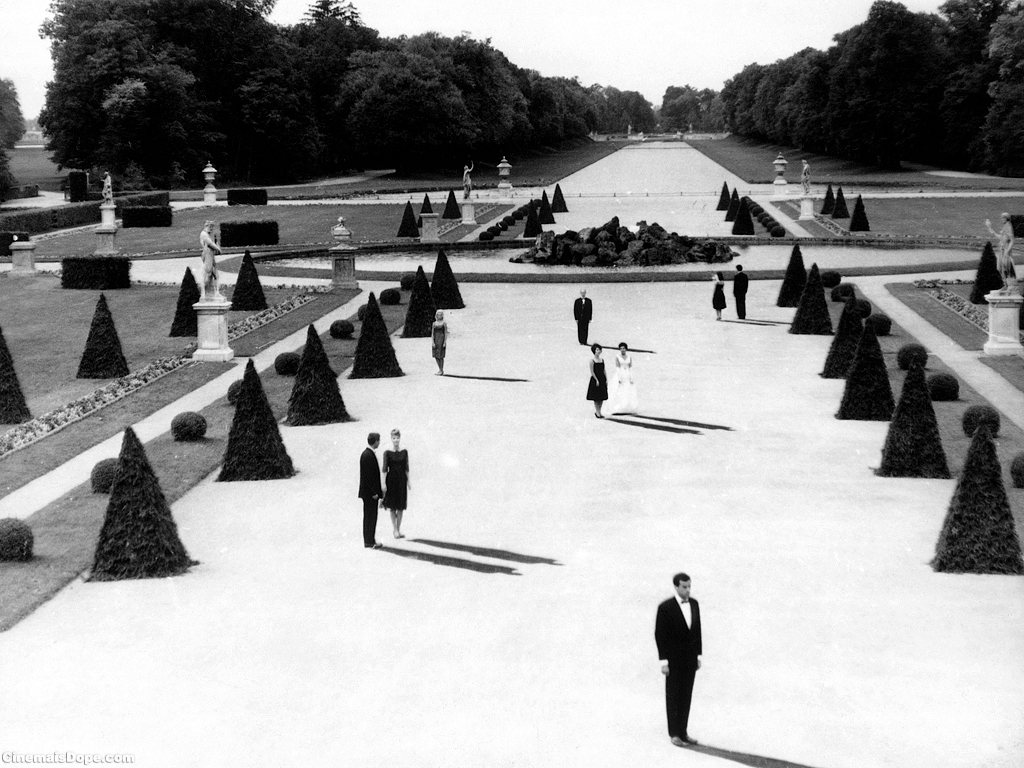
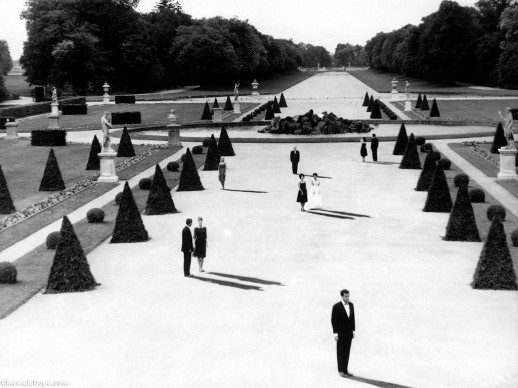
No nos queda apenas espacio para referirnos a la otra forma típica de combatir el paso del tiempo: la memoria. Pero sí podemos recordar cómo el final del tráiler de “El año pasado en Marienbad” describía la película de Resnais y Robbe-Grillet como “mejor que con el cine en relieve”… ¿otro ejemplo de arte inmersivo?

Leave a Reply
Lo siento, debes estar conectado para publicar un comentario.