
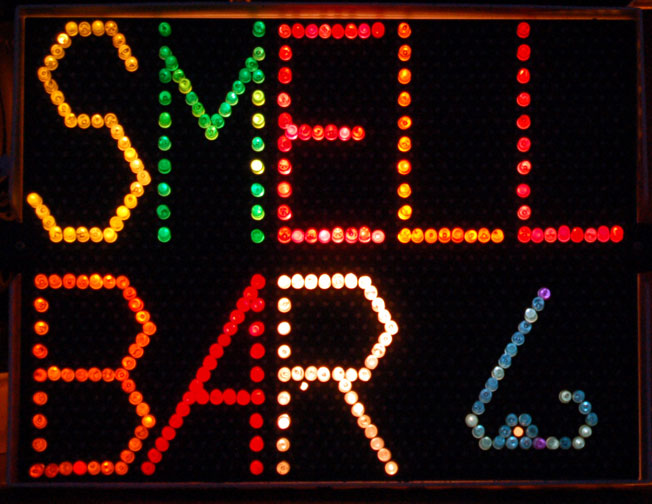
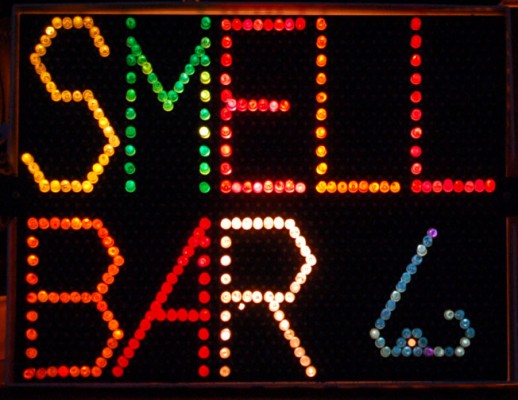
En la primera parte del artículo sobre arte olfativo empezamos con algunas generalidades sobre el tema a modo de introducción, con la promesa de complementarlo con un segundo post sobre algunos artistas. He optado por elegir a dos de las pocas artistas que centran su trabajo exclusivamente en esta disciplina: Maki Ueda y Sissel Tolaas.
Maki Ueda se define a sí misma como artista olfativa y sensorial. Es una japonesa afincada en Holanda que trabaja con el olor en relación a la memoria, las emociones, la percepción y las experiencias personales. Quizás lo más llamativo de Ueda es que no trabaja con ingredientes sintéticos, como la industria del perfume, maneja solamente ingredientes naturales, destilando los olores a partir de su propia fuente a través un proceso bastante sencillo.
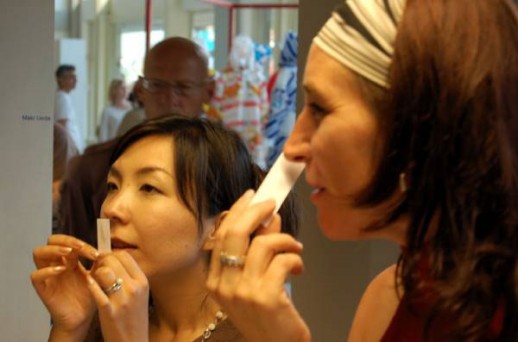
Ueda crea tanto piezas olfativas como instalaciones, además de realizar talleres en los que enseña tanto a ser más consciente del sentido del olfato como a capturar los olores de nuestro entorno. Un buen ejemplo de su trabajo podría ser Aromatic Journey #1, que consiste en 11 botellitas con olores relacionados con su niñez. El funcionamiento es simple, sólo hay que agitar un poco la botella, echar unas gotitas de su contenido en un papel y oler. Quizás la ausencia de elementos sintéticos, de dispositivos difusores y demás parafernalia tecnológica tiene que ver con la sensibilidad tradicional japonesa; no olvidemos que existe una antigua ceremonia llamada Kodo —relacionada con el ikebana y la ceremonia del té— centrada en el olor del incienso.
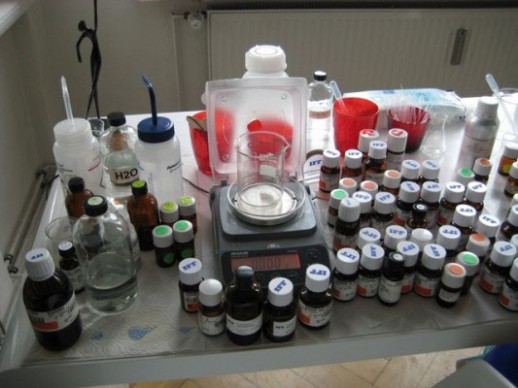
Sissel Tolaas tiene un enfoque bastante diferente, sus antecedentes están en el mundo de la química, las matemáticas y la lingüística, y ha colaborado con grandes multinacionales. Lejos del ‘naturalismo’ de Ueda, prefiere trabajar con olores corporales y urbanos y conceptos como el dinero o el miedo. Una de sus obras más conocidas consiste en una pared ‘pintada’ con feromonas del sudor de varios hombres en situaciones extremas.
Curiosamente, Tolaas no cree que su sentido del olfato sea especialmente bueno, pero afirma que empezó a ‘entrenarse’ cuando se dio cuenta de que, a pesar de que el olfato es el sentido más primitivo, está mucho menos estudiado que la vista y el oído. Actualmente, cuenta con un archivo de más de 7.000 olores guardados en botes herméticos, con fragancias de todo tipo, desde plátanos podridos a telas sucias.
La obra de Tolaas tiene un trasfondo mucho más tecnológico y científico que la de Ueda, e incluso ha ejercitado su percepción y mente para deshacerse de los prejuicios sobre lo que es un buen y un mal olor, optando por una perspectiva claramente analítica.
Aunque el trabajo de estas dos artistas no tiene mucho que ver, ni en términos de métodos ni conceptos, creo que ambas parten de la idea de que el olfato es una fuente más de conocimiento y de relación con nuestro entorno, y que si nos esforzamos por prestarle más atención podemos añadir otra capa de conocimiento a nuestra percepción sensorial.


Leave a Reply
Lo siento, debes estar conectado para publicar un comentario.