
Si pensamos en los cinco sentidos, la vista y el oído son a los que damos más importancia en nuestra vida cotidiana, quizás por eso son los más presentes en las prácticas artísticas. El sentido del tacto es menos habitual en este campo, pero además del arte propiamente táctil y de ciertas obras interactivas y/o lúdicas, muchas veces va implícito en ciertas piezas sonoras y audiovisuales que, aunque no estén centradas en el hecho de ‘tocar’, juegan con sensaciones táctiles gracias a que el sonido se trasmite a través de unas vibraciones que podemos llegar a sentir físicamente. En el caso del gusto, seguramente a muchos os vendrá a la cabeza al menos algo relacionado con el ‘food art‘ (parte del trabajo de Antoni Miralda, por ejemplo), pero ¿y el olfato?
Como decía hace un momento, solemos considerar más importantes la vista y el oído que los otros tres sentidos, probablemente porque el tacto, el gusto y olfato son reacciones más instintivas y menos racionalizables. Existen estudios científicos que afirman que lo primero que sentimos al nacer son los olores, antes de que podamos ver o escuchar nada. Quizás la explicación de que con el tiempo el olor pase a un segundo plano tiene que ver con que las partes del cerebro implicadas en el uso del lenguaje tienen pocos enlaces directos con el sistema olfativo, y quizás por esta misma razón el olfato no suele estar presente en la práctica artística.
El olor nos remite a reacciones instintivas, a experiencias y memorias pasadas, pero no a razonamientos lógicos o ideas, algo mucho más fácil de transmitir a través de la imagen, el sonido o la palabra. Los olores son volátiles y evanescentes, y aunque se pueden ‘capturar’ (no olvidemos la próspera industria del perfume), es obvio que es mucho más complicado registrar, reproducir y conservar un olor que un sonido o una imagen.
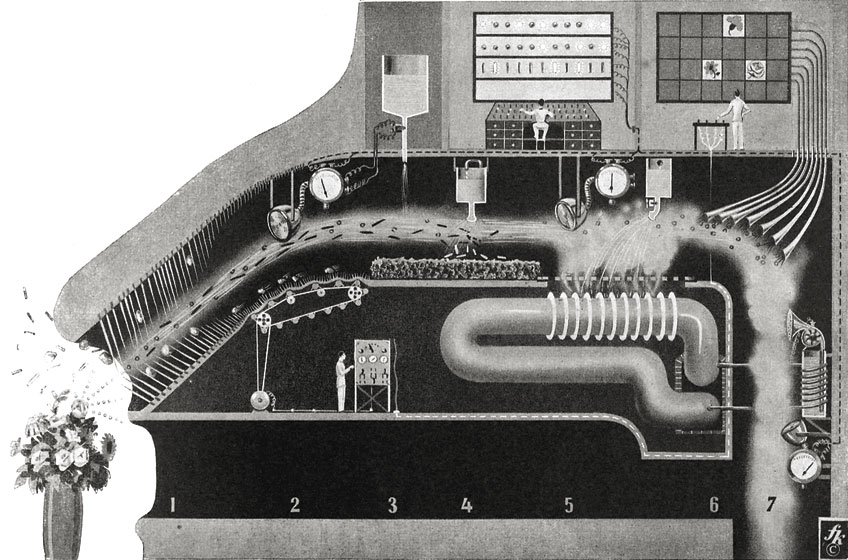
No obstante, en los siglos XVIII y XIX era bastante habitual que en las funciones teatrales se usasen fragancias para sumergir a los espectadores en la atmósfera de la obra —para recrear el ambiente fantástico y etéreo en las obras sobre hadas o para imitar el olor real de un tocador femenino, por ejemplo. En la industria del cine se han hecho algunos experimentos de este tipo desde principios del siglo XX, basados tanto en olores diseminados por la sala como en unas tarjetas que había que rascar para oler algo concreto en ciertas escenas, pero por alguna razón no han pasado de anécdotas.
Actualmente, el olor brilla por su ausencia, seguramente porque en las sociedades occidentales se hacen grandes esfuerzos para suprimirlo en los lugares públicos, sin olvidar que la televisión, los ordenadores y toda la demás parafernalia tecnológica característica de nuestra época no huele.
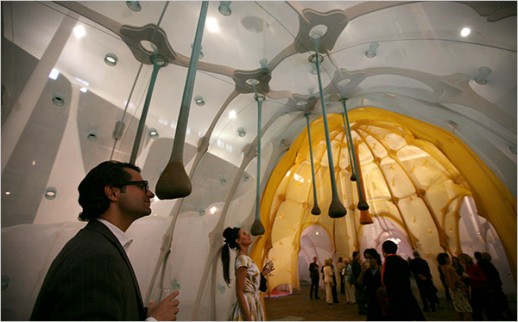
A pesar de todo, podemos hablar de arte olfativo. A veces los artistas preocupados por el olor simplemente lo integran de alguna manera en sus performances o instalaciones, como un elemento más. En este sentido podemos citar a Ernesto Neto, un artista brasileño que crea espacios escultóricos que se pueden tocar y oler; o al colectivo de VJs holandeses Barkode, que añaden olores a las imágenes y la música.
Si buscamos a creadores que trabajen exclusiva o principalmente con el olor, la verdad es que la lista no es muy amplia, pero en la segunda parte de este post hablaremos sobre algunos de ellos.

Leave a Reply
Lo siento, debes estar conectado para publicar un comentario.